Chanting as Connection: A Beginner's Guide to Kirtan
Discover the healing power of kirtan—a sacred sound practice that opens the heart, calms the mind, and invites deep connection.
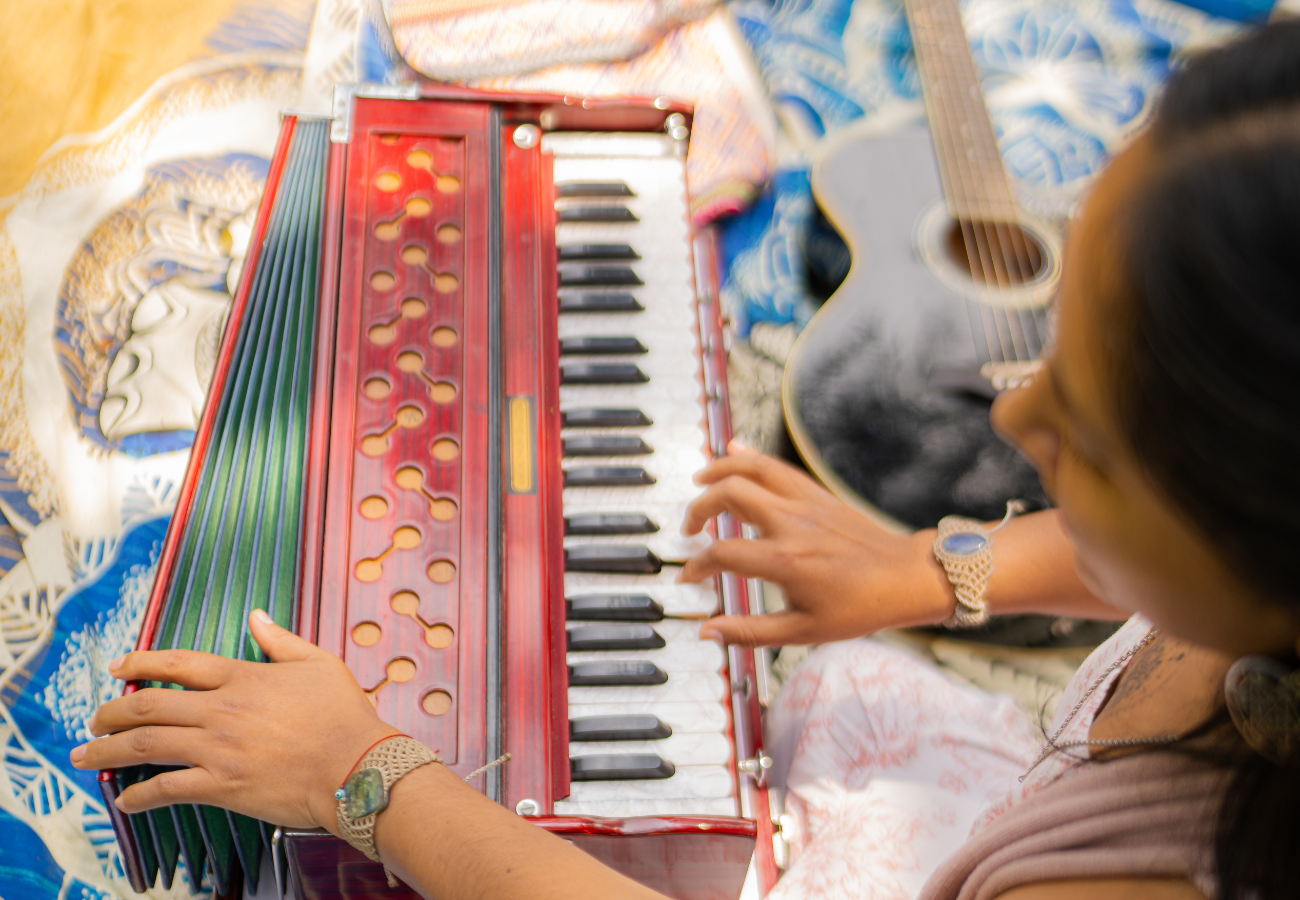
Kirtan is more than music. It’s more than mantra. And here’s the surprising truth: you don’t need to know how to sing, speak Sanskrit, or even understand the meaning of the words to experience its power. Kirtan bypasses the analytical mind and goes straight to the heart.
At OurWell, we’ve joined kirtan circles in yoga studios, living rooms, and outdoor gatherings—sometimes laughing, sometimes crying, always leaving with a sense of being deeply seen. Kirtan, for many of us, has become a practice of devotion, healing, and connection—one that doesn’t demand perfection, only presence.
In this article, we’ll explore what kirtan is, its historical roots, how to practice it, and the mind-body-spirit benefits that come with opening your voice to the sacred.
Understanding the Significance of Kirtan in Devotion
Kirtan (pronounced keer-tahn) is a form of devotional chanting that originates from ancient Indian spiritual traditions, especially Bhakti Yoga—the yoga of love and devotion. It typically involves call-and-response singing, where a leader chants a phrase and the group responds.
The repetition of divine names or mantras creates a meditative, uplifting experience. Kirtan isn’t about performance—it’s about participation. It offers a direct line to the heart, opening space for healing, stillness, or even joyful release.
The Historical Roots of Kirtan
Kirtan has been practiced for centuries across Hindu, Sikh, and yogic traditions. Its roots trace back to ancient India, where Vedic hymns and chants were offered as a form of worship and community bonding.
- In Sikhism, Shabad Kirtan and Kirtan Sohila are integral forms of praise and daily reflection.
- In yoga lineages, Kirtan Kriya is a specific meditation involving chanting, hand mudras, and visualization.
Kirtan traveled to the United States in the 20th century through spiritual teachers and musicians like Krishna Das, Jai Uttal, and Snatam Kaur—blending traditional devotion with Western influences to create the kirtan music we hear today.
Chanting Techniques for Beginners in Kirtan
You don’t need to be a trained vocalist or know every Sanskrit syllable. Kirtan is a practice of surrender, not precision.
Beginner Tips:
- Start by listening. Let the melody guide you.
- Join in when you're ready. There’s no pressure to be perfect.
- Focus on feeling, not sound. Even humming carries energy.
- Try chanting silently. Internal repetition can be just as powerful.
Whether you’re practicing solo with a recording or attending a live session, the key is to let the rhythm carry you—and your mind will begin to quiet.
Step-by-Step Guide to Practicing Kirtan
- Choose a mantra or chant. Common ones include “Om Namah Shivaya” or “Hare Krishna.”
- Set your space. Light a candle, sit comfortably, or lie down.
- Play a recording or join a live kirtan session.
- Follow the call-and-response. Sing the response after the leader, or simply listen.
- Stay with the repetition. Let the mantra move through you.
- Close with stillness. After chanting, sit in silence for a few moments to integrate.
This can take anywhere from 5 to 60 minutes depending on your schedule and intention.
Reaping the Mind-Body Benefits of Kirtan Chanting
Emerging research and centuries of anecdotal experience suggest that chanting practices like kirtan may:
- Reduce stress and anxiety
- Improve respiratory function and heart rate variability
- Boost feelings of connection and compassion
- Support mental clarity
- Help with emotional release and trauma integration
Kirtan Kriya meditation, in particular, has been studied for its effects on brain health, showing improved memory and reduced symptoms of depression in some cases.
Even just a few minutes of vocalizing sacred sounds can shift your state of being.
Starting Your Kirtan Journey: Resources and Recommendations
Not sure where to begin? Here are a few entry points:
Online:
- Krishna Das – Live Kirtans
- Snatam Kaur – Light of the Naam
- Jai Uttal – Roots, Rock, Rama!
- Search for kirtan playlists on YouTube or Spotify
Apps:
- Insight Timer (search “Kirtan” or “Bhakti”)
- Spotify curated mantra or kirtan lists
Books & Teachers:
- Chants of a Lifetime by Krishna Das
- The Heart of the Universe by Snatam Kaur
Local:
- Yoga studios or spiritual centers may offer regular kirtan nights
- Look up Nagar Kirtan events—public Sikh processions often featuring devotional chanting
Final Thoughts
Kirtan is a doorway. Whether you whisper the mantras under your breath or sing them at the top of your lungs in community, this practice invites your whole being to soften and open.
At OurWell, we’ve experienced how this sacred sound can rewire nervous systems, release emotion, and rekindle joy. It’s not about hitting the right note—it’s about touching something true.
“When we chant, we remember who we are beneath it all.”
If you’re curious, start small. Listen. Hum along. Let it be imperfect and alive. Kirtan isn’t just a practice—it’s a path. And it’s one we’re honored to walk alongside you.