Congo vs. Brazil: Which is Better for Ethical Crystals?
Brazil offers more regulated, ethical crystal sourcing, while Congo’s rare gems raise human rights concerns. Always ask about origin

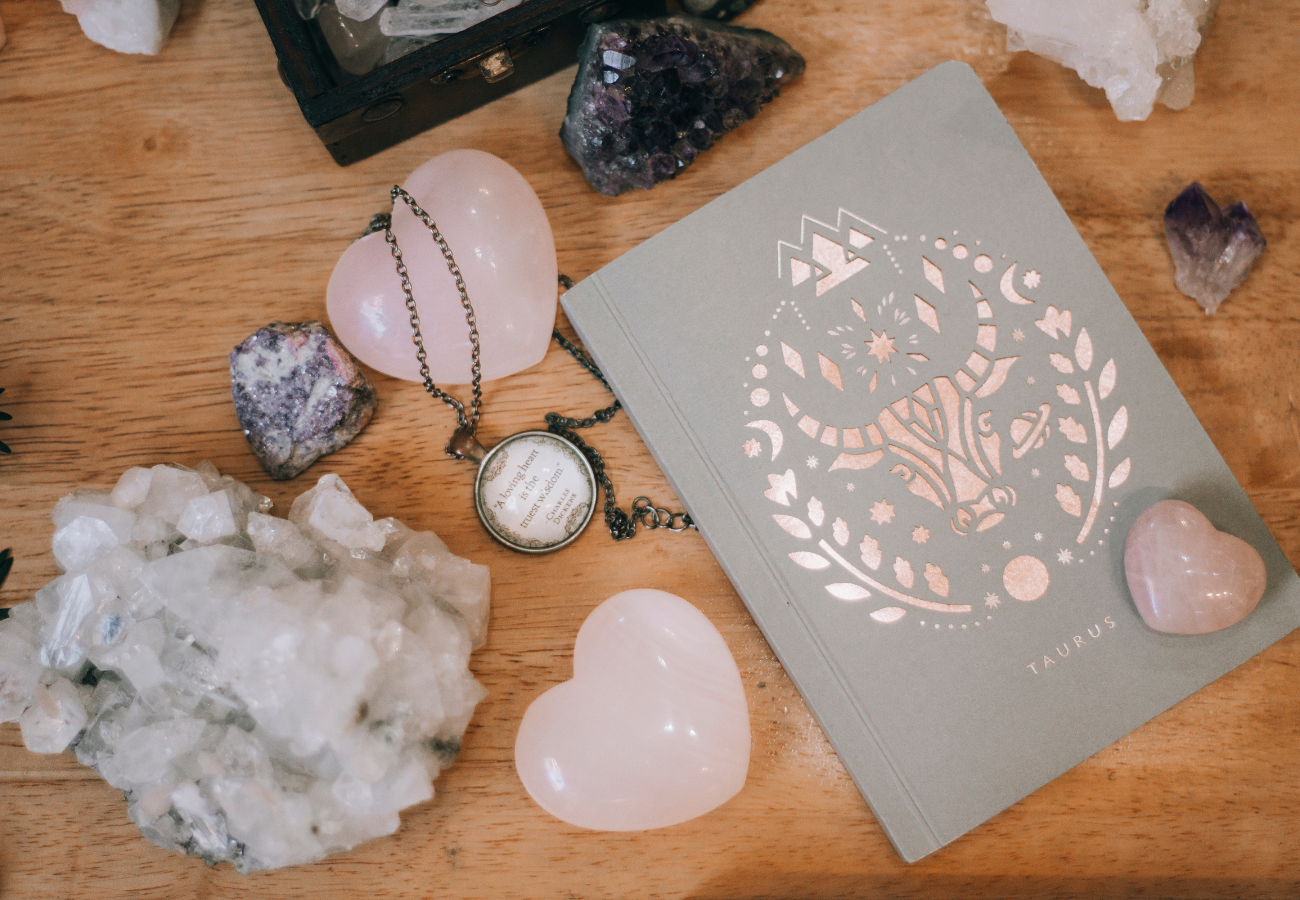
When sourcing crystals, the country of origin can make a big difference in terms of ethical practices and environmental impact. Two of the most prominent sources of crystals are Congo and Brazil. Both have unique offerings, but their mining practices and ethical considerations differ.
Congo: The Ethical Dilemma
- Pros:
- Congo is home to rare and stunning crystals, such as malachite, carnelian, and smoky quartz, prized for their vibrant colors and high quality.
- Many crystals from Congo are hand-mined, which reduces the environmental impact compared to large-scale operations.
- Cons:
- The mining industry in Congo is often marred by human rights concerns, including unsafe working conditions, child labor, and exploitation.
- Lack of regulation makes it difficult to trace the origins of crystals and ensure they were ethically sourced.
Brazil: The More Sustainable Option
- Pros:
- Brazil is one of the world’s largest producers of crystals, including quartz, amethyst, and citrine.
- Many Brazilian mines operate under more regulated conditions, with larger companies adhering to environmental and labor standards.
- Brazil’s infrastructure makes it easier to trace the origins of crystals, giving buyers more confidence in their ethical sourcing.
- Cons:
- Large-scale mining operations in Brazil can still impact the environment, so it’s essential to research individual sellers and their sourcing practices.
Which Should You Choose?
If given a choice, Brazil is often the safer option for sourcing ethically and sustainably mined crystals. However, it’s not always black and white. If you’re drawn to crystals from Congo, prioritize buying from sellers who work directly with miners or co-ops, ensuring fair wages and better working conditions.
Pro Tip: Ask your crystal seller specific questions about the sourcing process, especially for stones from Congo. Transparency is a good sign that the seller prioritizes ethics.
How to Make the Most Informed Decision
When comparing origins like Congo vs. Brazil, the key is mindfulness. Choosing crystals isn’t just about their beauty or energy—it’s about supporting practices that align with your values. By educating yourself and asking the right questions, you can ensure your crystals not only support your healing journey but also contribute positively to the world.