Crystal Chronicles: Ethical Crystal Sourcing—What You Need to Know
Ethical crystal sourcing matters—honor the Earth, respect people, and choose mindfully to ensure your crystals align with your value

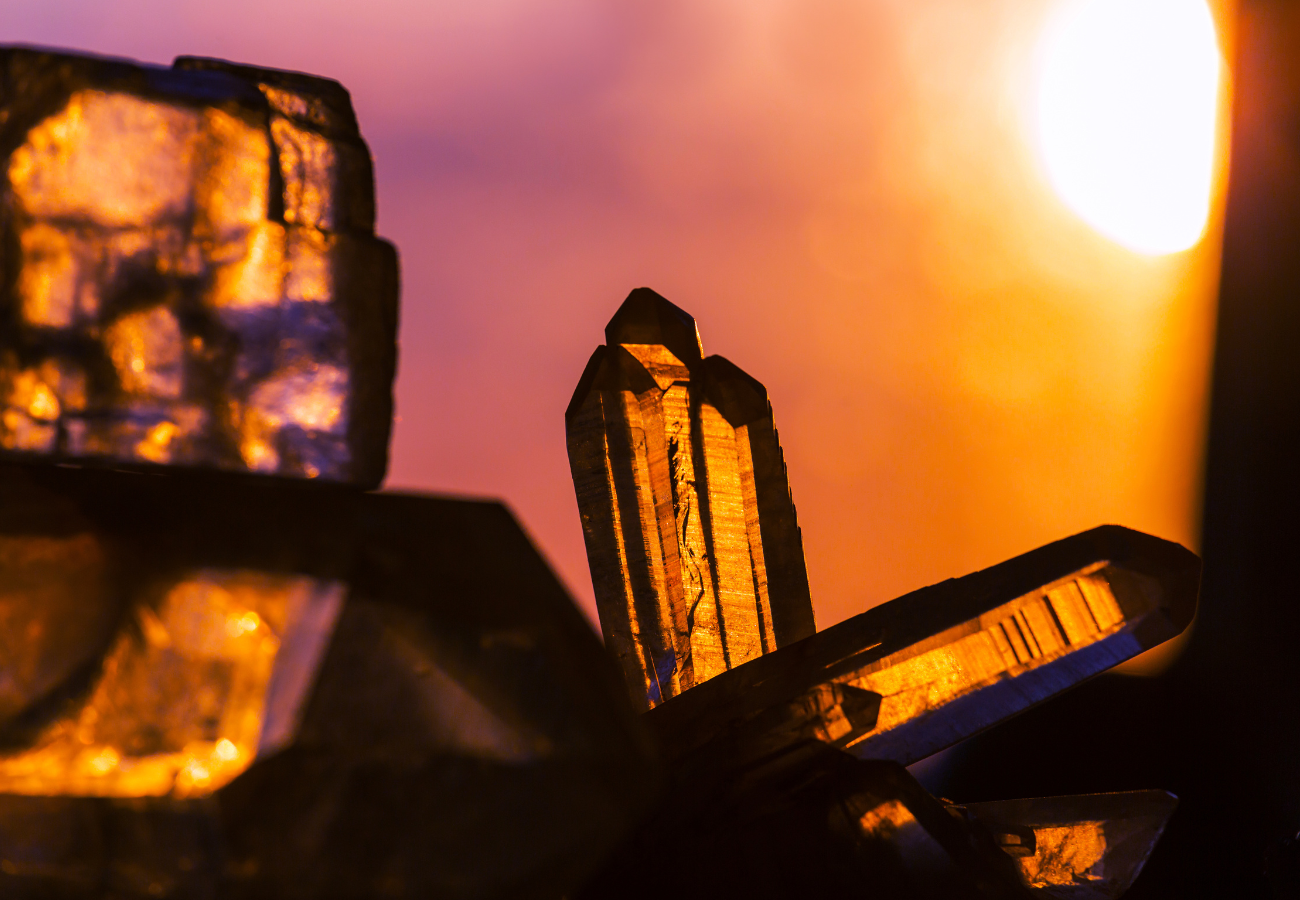
Crystals have captivated humanity for centuries, but with their resurgence in popularity comes an important question: Where do these stones come from, and at what cost?
In ancient times, crystals were sourced from the Earth with reverence, often used in rituals that honored their origins. Today, the story is more complicated. The demand for crystals has skyrocketed, and while their healing properties remain unchanged, their extraction can come at a hidden price—environmentally, ethically, and socially.
This blog dives into why ethical crystal sourcing matters, how to ensure your crystals align with your values, and what steps you can take to be a mindful consumer.
Why Ethical Sourcing Matters
Behind every sparkling amethyst or glowing quartz lies a story of how it was formed, extracted, and brought to you. Unfortunately, not all of these stories are positive.
- Environmental Impact: Mining can disrupt ecosystems, deplete natural resources, and lead to habitat destruction.
- Human Rights Concerns: In some regions, mining involves unsafe working conditions, low wages, and even child labor.
- Cultural Respect: Many crystals are mined in sacred or indigenous lands without proper acknowledgment or permission, stripping those communities of their cultural heritage.
As consumers, we have the power to support practices that honor the Earth and the people who work with it.
How to Source Crystals Ethically
1. Research Your Seller
Not all crystal shops are created equal. Look for sellers who are transparent about their sourcing practices.
- Questions to Ask:
- Where do your crystals come from?
- Are they mined sustainably?
- Do you work directly with miners or co-ops?
2. Support Small, Local Businesses
Many independent sellers prioritize ethical sourcing because they have a direct connection to the communities where crystals are mined. Buying from them helps sustain these responsible practices.
3. Look for Certifications
While the crystal industry doesn’t have universal regulations, some sellers voluntarily adhere to fair trade and sustainable practices. Look for certifications or statements of ethical commitment on their websites.
4. Choose Alternatives
Ethical sourcing isn’t just about where the crystals come from; it’s also about how much we consume. Consider alternatives like repurposing crystals from thrift shops, estate sales, or even trading with other enthusiasts.
5. Buy Only What You Need
In a world of abundance, mindful consumption matters. Before buying another crystal, ask yourself:
- Does this crystal align with my intention?
- Do I truly need it, or am I collecting for the sake of it?
Crystals with a Lower Environmental Impact
Some crystals are more sustainable than others due to their abundance and the ease of extraction. Here are a few to consider:
- Clear Quartz: Readily available and often sourced with minimal environmental impact.
- Amethyst: Widely mined, but look for pieces from regions with responsible practices like Brazil or Uruguay.
- Citrine: Natural citrine is rare, but heat-treated amethyst can serve as an affordable and ethical alternative.
- Fluorite: Found in many locations, making it easier to source responsibly.
Why Ethical Sourcing Is Part of the Healing Journey
Crystals are tools for balance, healing, and connection—but true healing must extend beyond ourselves. By choosing ethically sourced stones, we honor the Earth that gave us these gifts and the people who work to bring them to us.
Philosophical Reflection: Every crystal holds the energy of its journey. When that journey is rooted in respect and care, the crystal’s healing power is amplified—not just for us, but for the world around us.
What to Watch Out For
1. Overly Polished or Dyed Crystals
- Crystals that are dyed or overly polished may have undergone chemical treatments, which can harm the environment. Opt for raw or lightly polished stones.
2. Too-Good-to-Be-True Prices
- If a crystal’s price seems unusually low, it might indicate unethical sourcing or mass mining practices.
3. Exotic or Rare Stones
- Be cautious with rare stones like moldavite or larimar, which are often over-mined and heavily marketed.
Final Thoughts: Crystals with Conscience
Crystals are more than objects—they’re ancient gifts from the Earth. When we approach their use with mindfulness and respect, we align with the very energy we seek to cultivate. Ethical crystal sourcing isn’t just about where a stone comes from; it’s about honoring the journey it took to reach your hands.
Next Up: Stay tuned for Crystals for Kids: A Fun and Safe Introduction to Gemstones. We’ll explore how to introduce the little ones to the magical world of crystals.
How do you ensure your crystals are ethically sourced? Share your tips and favorite ethical sellers in the comments, and let’s create a more conscious crystal community! ✨