Exploring the Pescatarian Diet: A Balanced Path to Wellness
Learn how a pescatarian diet supports heart health, mood, and sustainability—plus easy recipes and tips to get started your way.

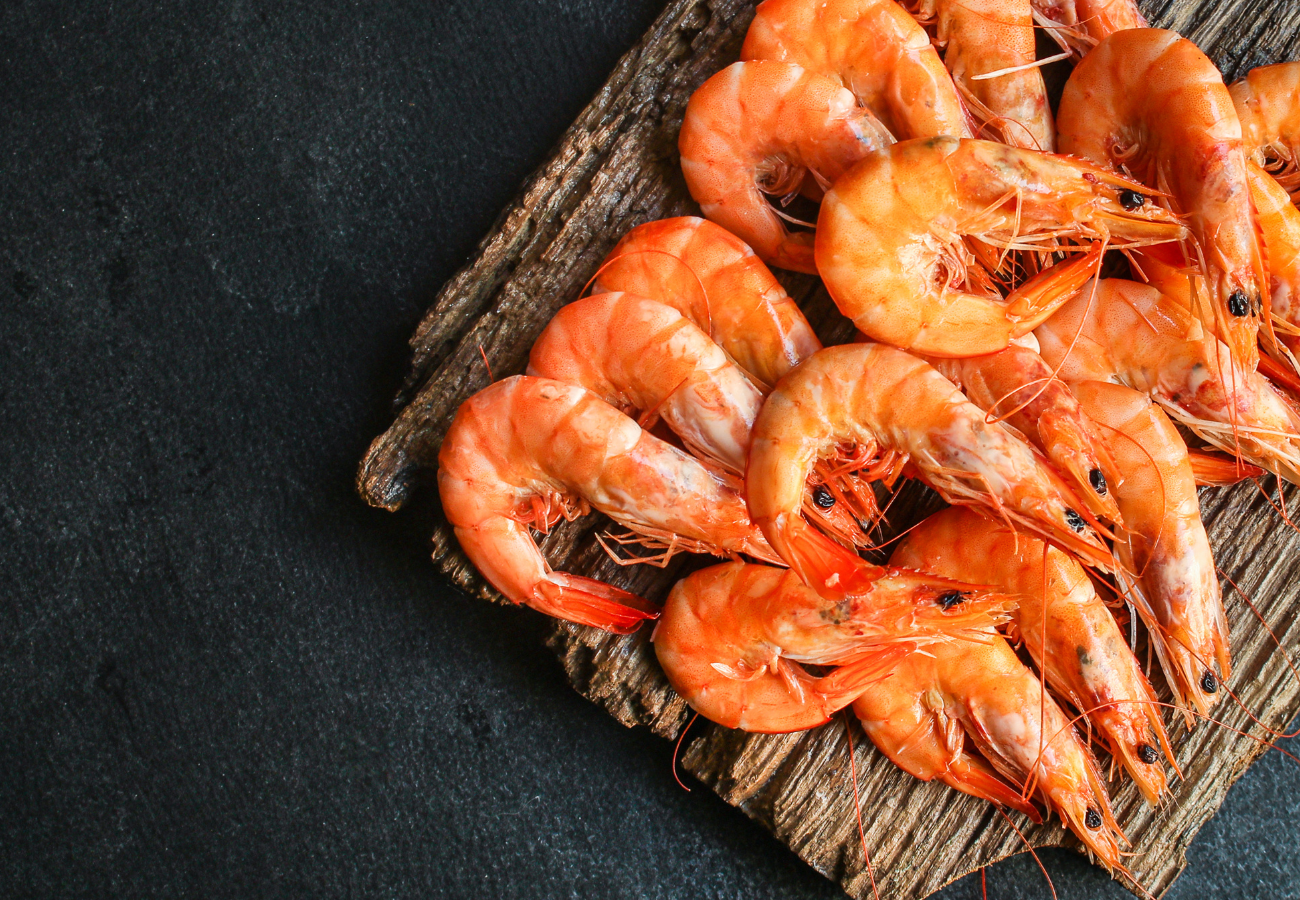
Here’s something you might not know: adopting a pescatarian diet—a plant-forward approach that includes seafood—has been linked to a lower risk of heart disease, reduced inflammation, and more sustainable eating habits. It’s not just a trendy in-between for vegetarians and omnivores—it’s a mindful, nourishing way to eat that aligns beautifully with long-term wellness.
At OurWell, several of us have embraced the pescatarian lifestyle in different ways. For some, it started with a curiosity about plant-based eating and evolved into a long-term commitment. For others, it was a gentle on-ramp into healthier habits that didn’t feel restrictive. This guide is a reflection of what we’ve learned, what works, and how you can start tuning into what feels right for your body—on your own terms.
We’ll walk you through the pescatarian lifestyle, its health benefits, a few simple recipes, meal planning tips, how it compares to the Mediterranean diet, and things to keep in mind as you begin your journey.
Understanding the Pescatarian Lifestyle
A pescatarian diet is a mostly plant-based diet that includes seafood as the main source of animal protein. While some pescatarians also eat eggs and dairy products, others stick to fish, vegetables, whole grains, legumes, nuts, and seeds.
This approach offers flexibility while still reducing intake of saturated fat from red meat and increasing omega-3 fatty acids—a key component in brain and cardiovascular health.
What Are the Benefits of a Pescatarian Diet?
The benefits of a pescatarian diet are both well-documented and felt firsthand by those who try it. Here are some of the most significant:
- Heart Health: Omega-3-rich fish like salmon and mackerel can reduce triglycerides and support a healthy heart.
- Weight Management: Many find it easier to lose or maintain weight due to the lower calorie density of plant-based foods and lean protein from fish.
- Reduced Inflammation: Antioxidants in fruits and vegetables paired with anti-inflammatory fish oils can help reduce chronic inflammation.
- Improved Mood + Brain Function: DHA and EPA (types of omega-3s) are linked to improved cognitive health and emotional well-being.
- Sustainability: Compared to meat-heavy diets, pescatarian eating can have a lower environmental impact—especially when prioritizing responsibly sourced seafood.
Healthy, Simple Pescatarian Recipes
You don’t need to be a chef to enjoy nourishing pescatarian meals. Here are a few ideas:
- Lemon-Herb Grilled Salmon with quinoa + kale — quick, protein-packed, and bursting with flavor
- Spaghetti Squash Pad Thai with shrimp — a low-carb twist on a classic favorite
- Tuna + Chickpea Salad with avocado dressing — perfect for meal prep and packed with protein and fiber
- Sheet Pan Miso Cod with sweet potatoes + broccoli — minimal cleanup, maximum nutrients
Want more? Check out cookbooks like The Pescatarian Plan by Janis Jibrin or Pescan by Abbie Cornish and Jacqueline King Schiller.
How To Get Started on the Pescatarian Diet
- Begin by reducing red and processed meats
- Add seafood 2–3 times per week (starting with mild, low-mercury options like salmon, cod, or sardines)
- Experiment with plant-based meals using legumes, whole grains, and vegetables
- Meal prep a few pescatarian-friendly staples—like roasted veggies, quinoa, and hard-boiled eggs—for quick mix-and-match options
- Track how you feel. Notice energy levels, digestion, and mental clarity
What Types of Seafood Are Commonly Consumed on a Pescatarian Diet?
- Salmon (high in omega-3s)
- Tuna (great for salads and quick meals)
- Sardines and anchovies (small, sustainable, and nutrient-dense)
- Shrimp (versatile and low-calorie)
- White fish like cod and haddock
- Shellfish such as mussels and clams
When possible, aim for wild-caught or responsibly farmed seafood to support environmental and ethical practices.
The Pescatarian and Mediterranean Diets: A Healthy Comparison
These two diets often overlap—and for good reason. Both emphasize whole foods, plant-based ingredients, and healthy fats.
Here’s how they compare:
- Seafood: Central to the pescatarian diet; eaten frequently in the Mediterranean diet
- Red meat: Rarely eaten on a pescatarian diet; enjoyed occasionally in the Mediterranean approach
- Dairy + eggs: Optional for pescatarians; moderately included in the Mediterranean diet
- Plant-based foods: Emphasized in both
- Wine: Optional in pescatarian diets; encouraged in moderation in Mediterranean diets
Ultimately, pescatarian and Mediterranean styles are more complementary than competitive—and you can easily blend principles from both for a balanced, enjoyable way of eating.
Are There Any Health Risks Associated with a Pescatarian Diet?
Like any eating pattern, it’s important to be mindful:
- Mercury Exposure: Some fish (like swordfish or king mackerel) contain higher levels of mercury. Stick to low-mercury options and rotate your seafood.
- Nutrient Gaps: If you limit eggs and dairy, watch your intake of B12, iron, and calcium.
- Processed Seafood: Steer clear of heavily processed items like breaded fish sticks or canned tuna in oil with additives.
A quick consultation with a registered dietitian can help tailor your pescatarian plan to your unique needs.
Final Thoughts
The pescatarian diet isn’t about perfection—it’s about intentionality. It blends the benefits of a plant-based lifestyle with the rich nutritional profile of seafood, offering a flexible path to sustainable health.
At OurWell, we love how this approach leaves room for exploration while providing structure. For some, it’s a stepping stone. For others, it’s a lifelong lifestyle.
“Start by listening to your body, and let your plate reflect what feels supportive.”
Whether you’re curious about a 30-day pescatarian diet, want to try a low-carb pescatarian meal plan, or just want new inspiration in the kitchen, we hope this guide helps you feel empowered—not overwhelmed.
One step, one meal, one choice at a time. You’ve got this—and we’re here if you need a recipe or a cheerleader along the way.