Understanding the Vegan Diet: A Complete Guide to its Pros and Cons
Explore the benefits, concerns, and tips for thriving on a vegan diet—plus how to overcome nutrient gaps with intention and ease.

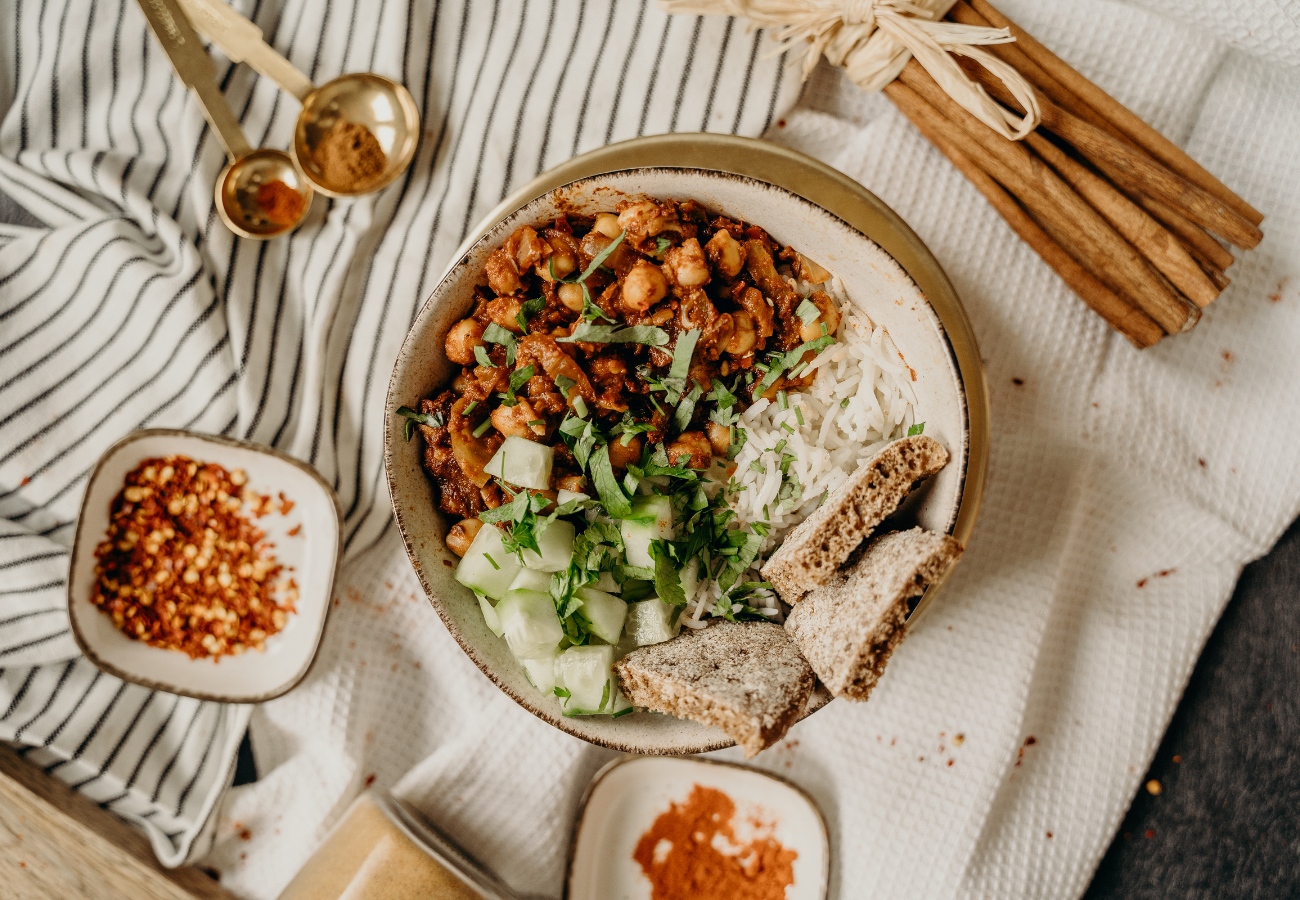
Switching to a vegan diet can feel like a major lifestyle shift, and it is. But it can also be one of the most powerful ways to align your eating habits with your values and your health goals. Whether you’re curious about reducing your intake of animal products or going fully plant-based, understanding the pros and cons of a vegan diet is key to making it sustainable.
At OurWell, we’ve had community members explore veganism for a variety of reasons: to support ethical food choices, to lower blood pressure, or to see if it could reduce inflammation and chronic pain. We’re not here to push a perfect plate—we’re here to offer facts, experiences, and tools to help you make choices that feel nourishing for you.
In this guide, we’ll cover the health benefits and common concerns associated with the vegan diet, explain the difference between vegan and vegetarian lifestyles, and provide tips to overcome common nutrient gaps so you can thrive on plants.
The Vegan Diet: A Basic Introduction
A vegan diet eliminates all animal products, including meat, dairy, eggs, and often honey. Instead, it focuses on whole, plant-based foods like fruits and vegetables, grains, legumes, nuts, seeds, and plant-based oils.
People choose veganism for many reasons—ethical, environmental, spiritual, or health-related. Regardless of your motivation, it’s important to be informed about how this diet affects your body and how to approach it mindfully.
Vegan vs. Vegetarian
While both diets avoid meat, the distinction is clear: vegetarians typically still consume eggs and dairy, while vegans eliminate all animal-derived products.
There are also plant-based and flexitarian approaches that are more inclusive but still prioritize plant-based foods. It’s okay if your path doesn’t fit into one definition. What matters is understanding your options.
Health Perks: The Benefits of a Vegan Diet
Numerous studies have linked a vegan diet to:
- Lower blood pressure and improved heart health
- Reduced risk of heart disease, certain cancers, and type 2 diabetes
- Healthy weight loss and maintenance
- Improved digestion from fiber-rich foods
- Lower intake of saturated fats found in animal products
Plant-based diets tend to be rich in vitamins, minerals, and antioxidants, which support immunity and reduce inflammation.
What Are the Potential Drawbacks of a Vegan Diet?
Going vegan without planning can lead to some pitfalls, especially when it comes to nutrient deficiencies. The most common concerns include:
- Vitamin B12 deficiency (critical for nerve function)
- Iron and zinc levels that may be harder to maintain
- Omega-3 fatty acid intake (especially EPA and DHA)
- Protein if you're not intentional about food choices
- Over-reliance on processed vegan foods, which can be high in sodium or sugar
What Nutrients Might Be Lacking in a Vegan Diet?
Here are the nutrients to pay attention to:
- Vitamin B12: Consider a supplement or fortified foods
- Iron: Found in lentils, tofu, and fortified cereals, but best absorbed with vitamin C
- Calcium: Choose fortified plant milks, leafy greens, and sesame seeds
- Zinc: Beans, nuts, and seeds are your best friends
- Omega-3s: Add chia seeds, flaxseeds, and algae-based supplements
How Can I Get Enough Protein on a Vegan Diet?
Protein is more abundant than people think in a vegan diet. Great sources include:
- Lentils, chickpeas, and black beans
- Tofu, tempeh, and edamame
- Quinoa, buckwheat, and whole grains
- Nuts, seeds, and nut butters
- Vegan protein powders (like pea or brown rice protein)
Yes, you can build muscle on a vegan diet. Just prioritize protein variety and quantity.
What Are Some Strategies to Overcome Deficiencies in a Vegan Diet?
- Plan meals ahead to include a wide range of plant-based foods
- Take supplements for B12 and, if needed, D3 and omega-3s
- Cook with iron-rich ingredients and pair with vitamin C (think beans + bell peppers)
- Add fortified products like cereals and nutritional yeast
- Track your intake now and then to see where you stand
Veganism and Disease Prevention: A Closer Look
Some research has shown that a long-term vegan diet may contribute to lower cholesterol, better blood sugar control, and reduced markers of chronic inflammation. It may also support gut health due to higher fiber intake.
That said, more doesn’t always mean better—balance is key. Whole food-based vegan diets tend to perform best in health studies, not those centered around vegan junk food.
Addressing Vegan Diet Critiques: Facts and Misunderstandings
Let’s clear a few things up:
- Can I eat bread on a vegan diet? Yes, most breads are vegan—but check for milk, honey, or eggs.
- Is olive oil vegan? Yes, it's plant-based.
- Can I eat pasta? Absolutely—just check the ingredients.
- Is it hard to gain weight on a vegan diet? It can be, but with calorie-dense foods like avocados, nuts, and grains, it’s doable.
- Do I need to go raw vegan to be healthy? No. A mix of raw and cooked foods is usually best.
Like any diet, veganism isn’t one-size-fits-all. You don’t have to do it perfectly to feel the benefits.
Final Thoughts
Choosing to explore a vegan diet is an act of curiosity, compassion, and care—for your body and the planet. When approached with intention and flexibility, it can be deeply nourishing. And if it’s not right for you right now, that’s okay too.
At OurWell, we believe in small shifts, not strict rules. Whether you’re transitioning fully or just want to add more plant-based meals into your week, we hope this guide helps you feel more empowered to make choices that honor your body, values, and rhythm.
Because what you eat matters. But how you feel matters more.